Maine Coon vs Norwegian Forest Cat, Siberian and Ragdoll: How to Tell Them Apart
How the Maine Coon compares with the Norwegian Forest Cat, Siberian and Ragdoll: size, head shape, coat, grooming and temperament, from the GCCF breed profiles.
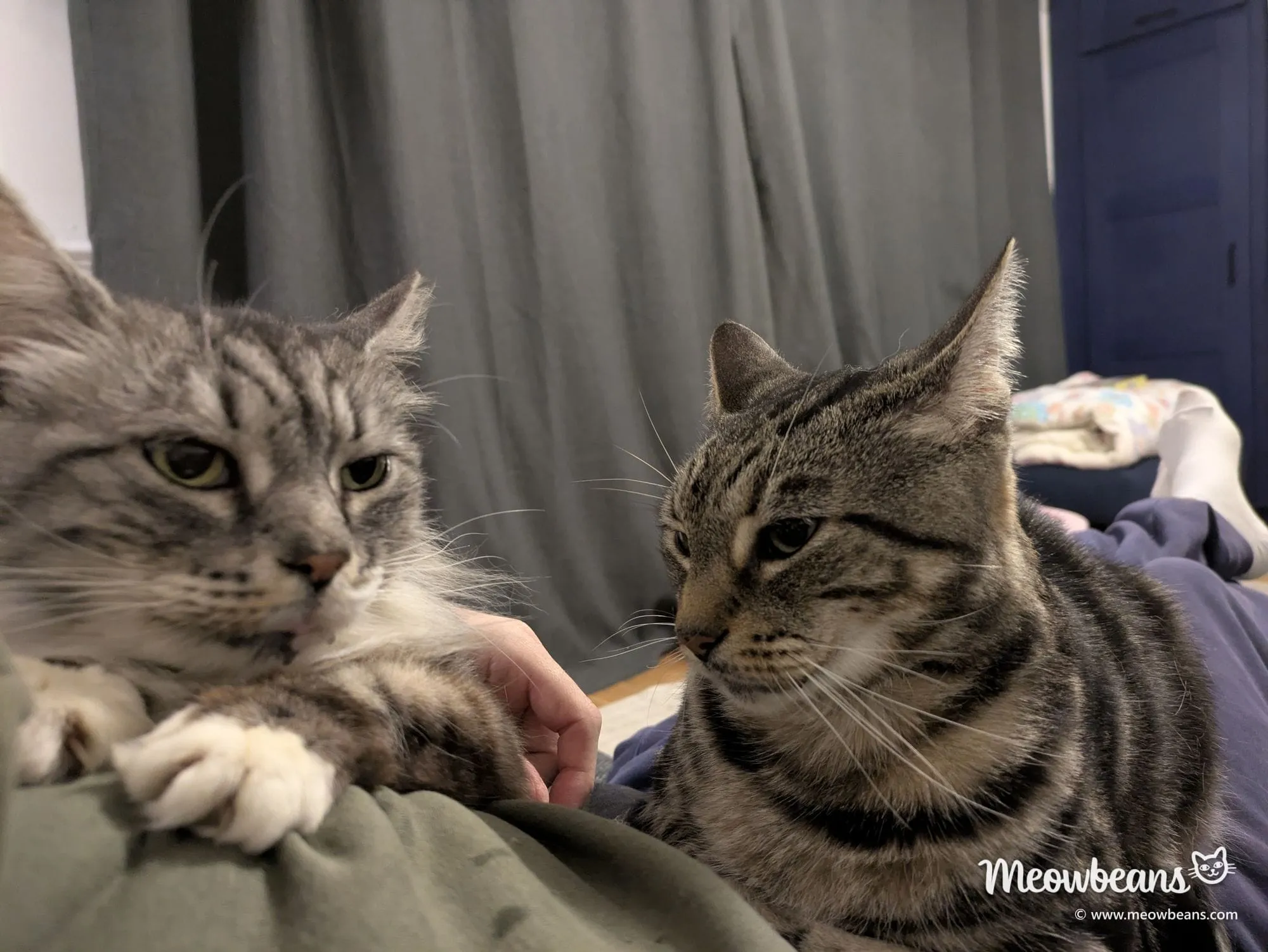
Big, fluffy and friendly: the Maine Coon, the Norwegian Forest Cat, the Siberian and the Ragdoll are often mistaken for one another. They’re all large, long or semi-long-haired breeds with gentle natures, but there are clear differences in their heads, coats and grooming needs.
To compare like with like, all the figures on this page come from the breed profiles of the GCCF (Governing Council of the Cat Fancy), the UK’s largest cat registry.
Key Takeaways
- Maine Coon: a square muzzle, high cheekbones, large tall ears with tufts, and a long, rectangular body. Its coat is shaggy, shortest on the shoulders and longest on the belly, back legs and tail.
- Norwegian Forest Cat: a triangular head, a woolly undercoat under a smooth top coat, and fairly low-maintenance grooming. The lightest of the four on GCCF figures.
- Siberian: a short, broad, rounded wedge-shaped head and a dense coat that needs daily grooming. The heaviest of the four on GCCF figures.
- Ragdoll: a pointed pattern, with the darkest colour on the face, ears, legs and tail, and deep blue eyes.
At a Glance
| Maine Coon | Norwegian Forest Cat | Siberian | Ragdoll | |
|---|---|---|---|---|
| Origin | Working farm cat, USA | Ancient natural breed, Norway | Natural breed, Russia | Developed in California in the 1960s |
| GCCF weight range | 10–20lb (4.5–9kg) | 9–16lb (4–7.3kg) | 13–26lb (5.9–11.8kg) | 10–20lb (4.5–9kg) |
| Head | Medium length, high cheekbones, square muzzle | Triangle shape, slightly rounded forehead | Short, broad wedge with rounded contours | Large, slightly oblique, deep blue eyes |
| Coat | Undercoat plus glossy top coat; shaggy | Woolly undercoat, smooth top coat | Medium length, dense and soft | Medium length, silky and dense |
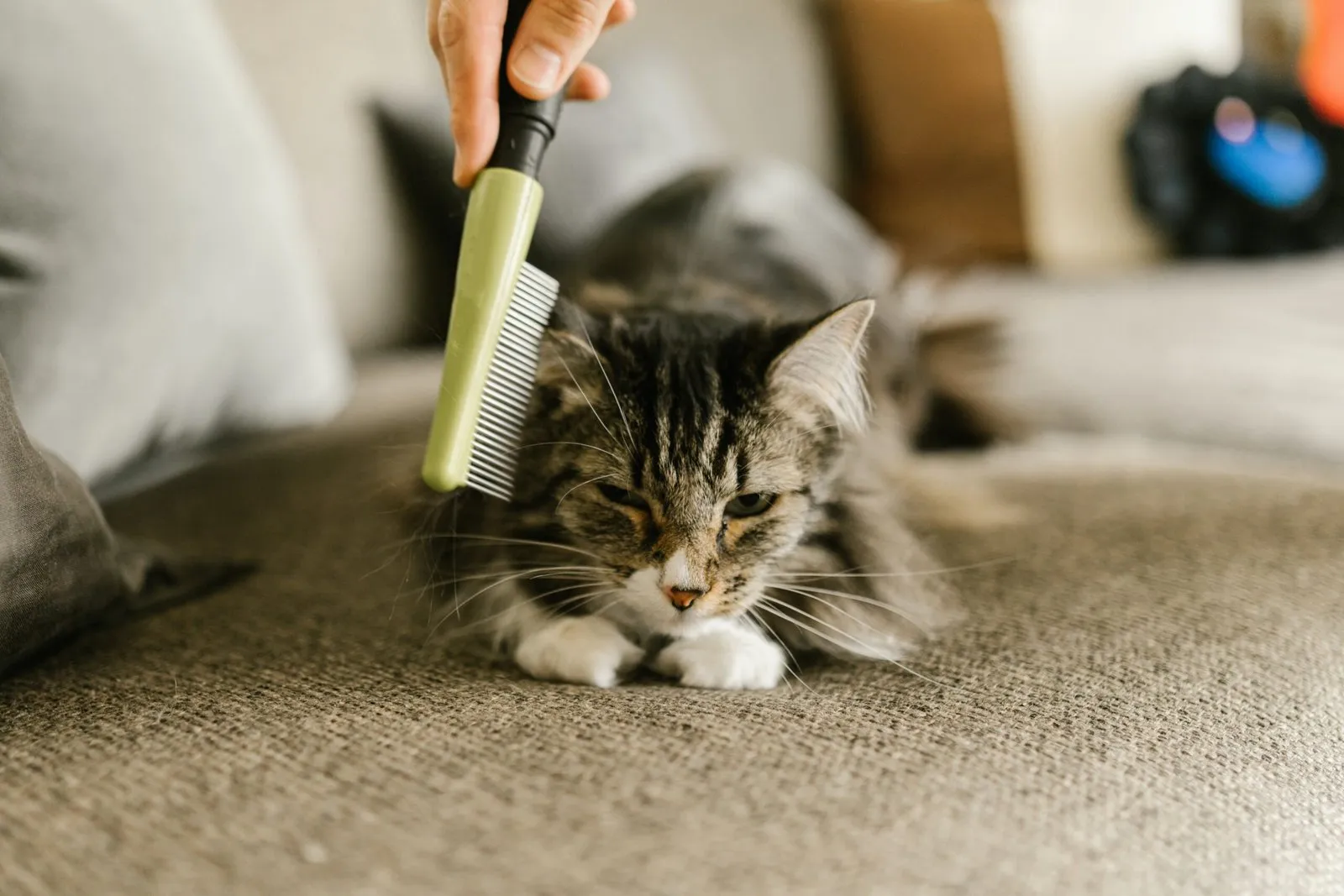
| GCCF grooming | Regular | Weekly | Daily | Weekly, more when moulting |
| Temperament | “Gentle giant”, family cat | Gentle and friendly, not demanding | Energetic and intelligent | Gentle and playful |
Sources: GCCF profiles of the Maine Coon, Norwegian Forest Cat, Siberian and Ragdoll.
Which Is the Biggest?
On the GCCF’s figures, the Siberian is the heaviest of the four, with males weighing 17 to 26lb (GCCF). Male Maine Coons can reach 18 to 20lb (GCCF), male Ragdolls 12 to 20lb (GCCF), and male Norwegian Forest Cats 12 to 16lb or more (GCCF).
Weight isn’t the whole story, though. The Maine Coon has a long, rectangular body and a tail at least as long as its back (GCCF), so it often looks the biggest, and Maine Coons have held the Guinness World Record for the longest domestic cat. Breed profiles from other organisations give different weights, so treat any “which is biggest” answer as a rough guide. Individual cats vary a lot.
Maine Coon vs Norwegian Forest Cat
These two are the most often confused. Both are big, hardy cats from cold climates, with thick, weatherproof coats and tufted ears.
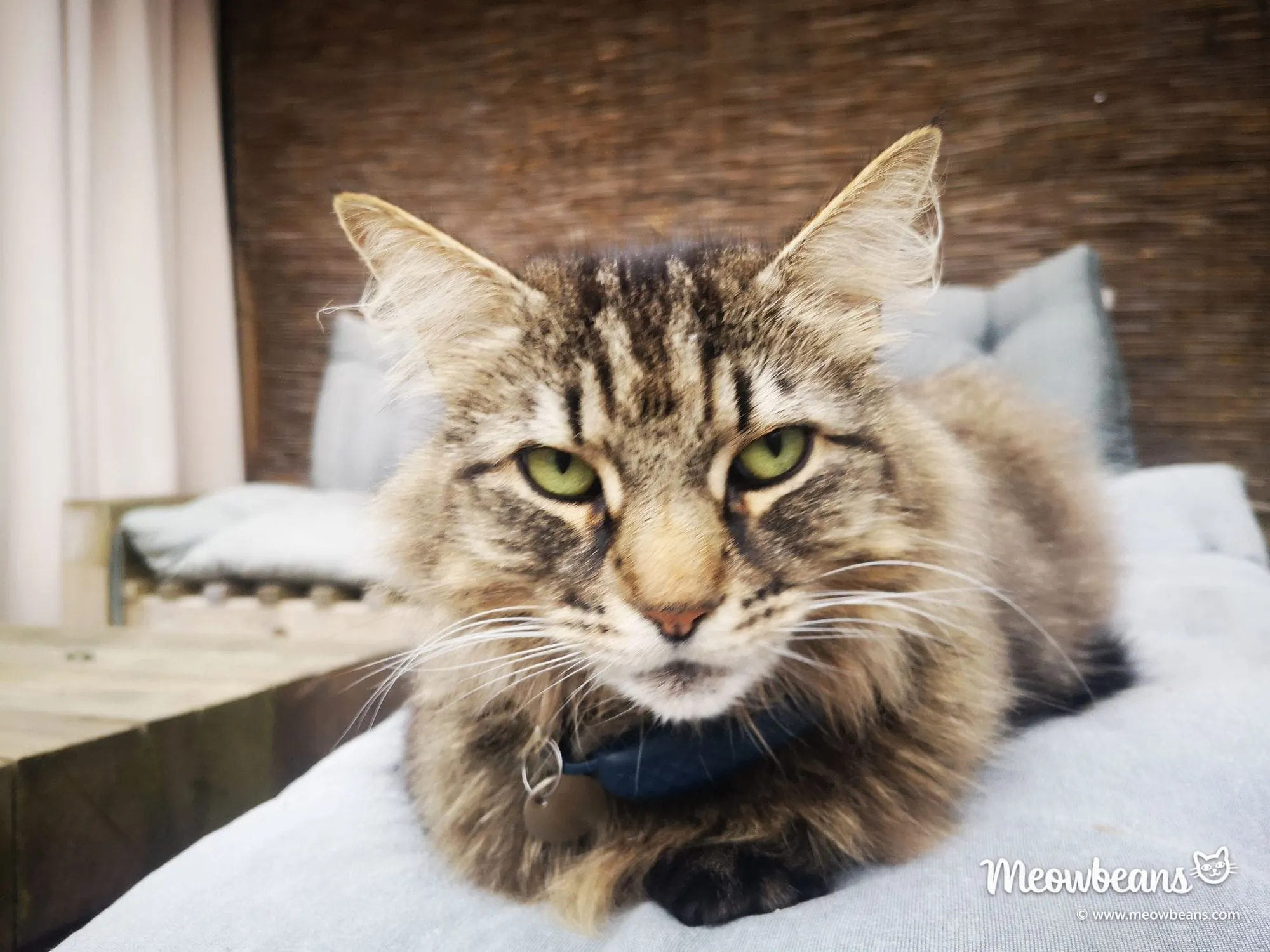
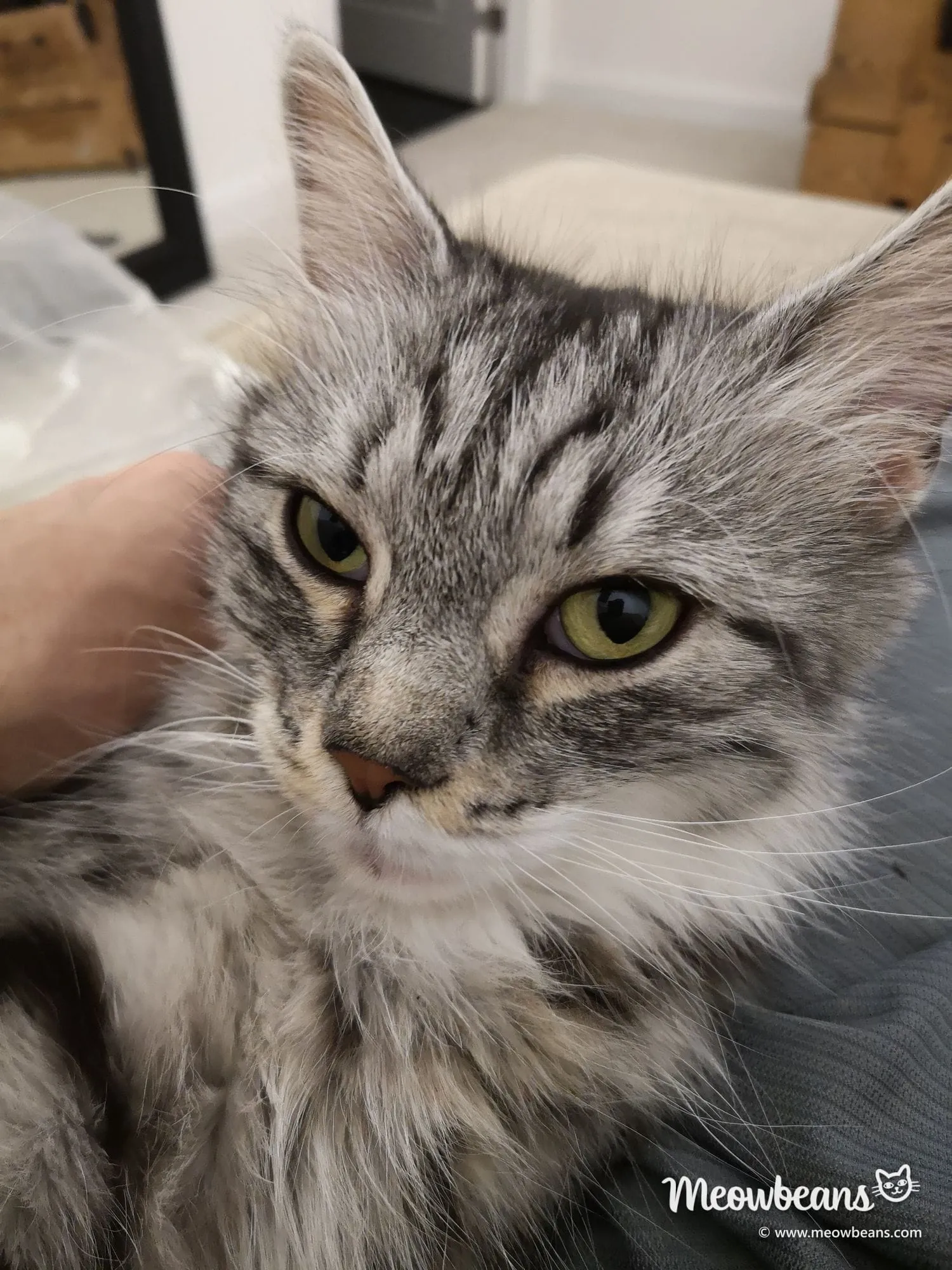 Bean, our Maine Coon: high cheekbones, a square muzzle and large ears set high on the head.
- Head shape is the easiest way to tell them apart. The Norwegian Forest Cat’s head forms an equilateral triangle (GCCF). The Maine Coon has a medium-length head with high cheekbones and a square muzzle (GCCF).
- Coat: the Norwegian has a woolly undercoat with a smooth overcoat and is fairly low maintenance outside its spring moult (GCCF). The Maine Coon’s fur gets longer down the back, flanks and tail, with full, shaggy fur on the belly and back legs, and a ruff that’s thicker in males (GCCF).
- Personality: the GCCF describes the Norwegian as gentle and friendly, not demanding of attention and sometimes reserved with strangers (GCCF). It calls the Maine Coon a “gentle giant” that bonds strongly with its family (GCCF).
Maine Coon vs Siberian
- Head and body: the Siberian’s head is a short, broad wedge with rounded contours, on a heavily built body with a broad chest that’s “rectangular but not too long” (GCCF). The Maine Coon’s body is longer, with a square muzzle.
- Coat and grooming: the GCCF rates the Siberian as high maintenance, needing daily grooming, and recommends combing it thoroughly but gently with a steel comb. Siberians shed heavily in spring and autumn (GCCF).
- Personality: both are sociable family cats. The GCCF describes Siberians as fun-loving, extremely loyal and good with families and other animals (GCCF).
Maine Coon vs Ragdoll
The Ragdoll is the easiest to tell apart.
- Colour: Ragdolls are pointed cats, with the deepest colour on the mask, ears, legs, paws and tail, in colourpointed, mitted or bi-colour patterns (GCCF). Maine Coons come in many colours and patterns but are never pointed; see our guide to Maine Coon colours and patterns.
- Eyes: a Ragdoll’s eyes should be deep blue (GCCF).
- Coat: the Ragdoll’s coat is medium length, silky and dense, and needs weekly grooming, with extra during a moult (GCCF).
- Personality: Ragdolls are described as relaxed, gentle and easy to handle (GCCF).
Health Testing in Each Breed
Each breed has its own inherited health conditions, so ask any breeder which tests the parents have had:
- Maine Coon: a DNA test for the HCM gene, heart scans and hip X-rays for breeding cats (GCCF). See our guide to Maine Coon health issues.
- Norwegian Forest Cat: glycogen storage disease type IV is an inherited disorder of the breed, with a DNA test available (GCCF).
- Siberian: cases of HCM have been recorded in the breed (GCCF).
- Ragdoll: Ragdolls registered with the GCCF for breeding since February 2016 must be tested for the known Ragdoll HCM gene (GCCF).
Is My Cat a Maine Coon or a Cross?
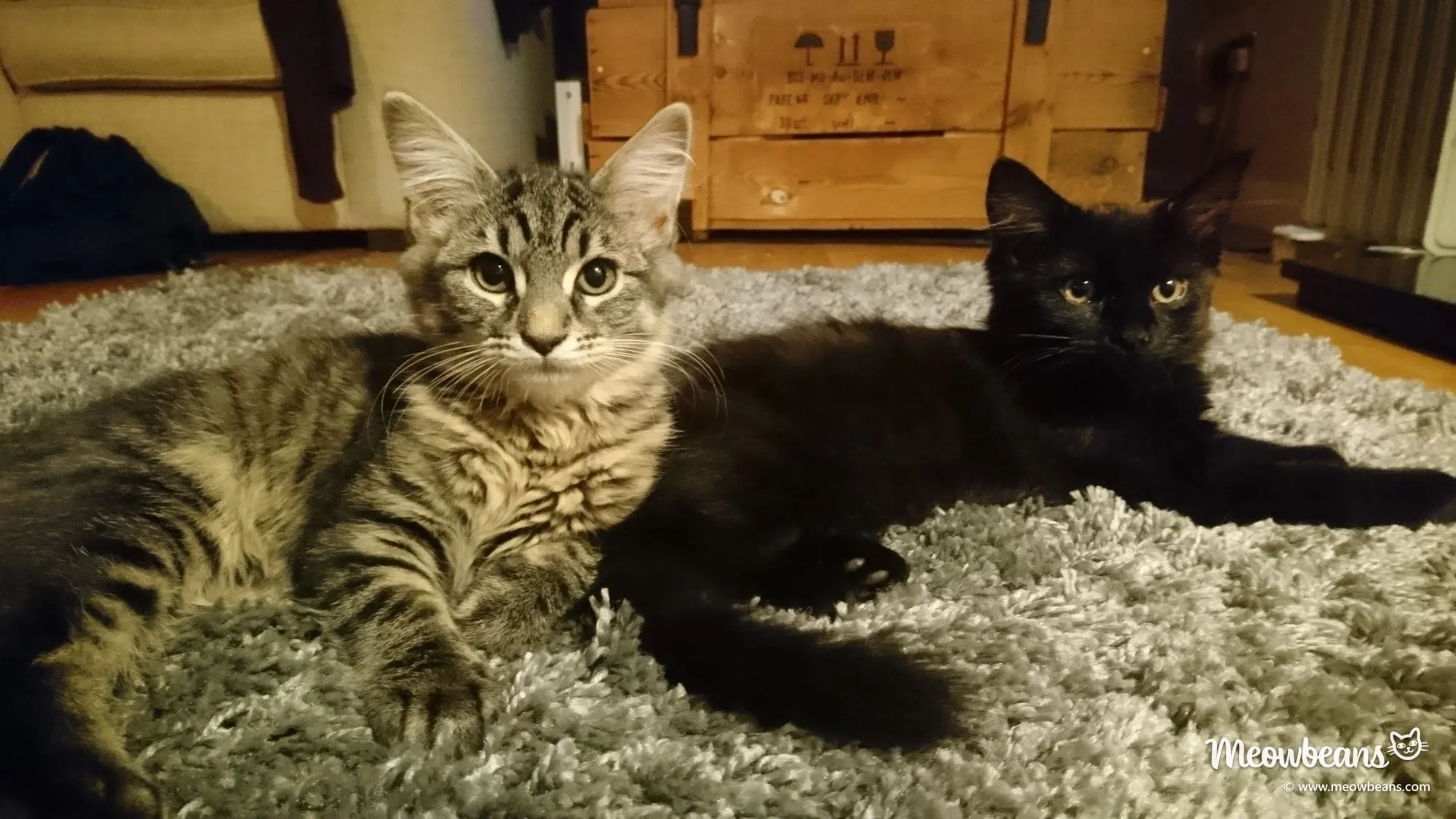
Many big, fluffy cats are crosses of these breeds or simply large moggies. Only pedigree papers can confirm a cat’s breed. Our Marshall, pictured at the top with his Maine Coon mother Bean, is a cross: he has her size, but a short coat. Our complete guide explains the features to look for, and if you’re thinking of getting one, read our guide to buying a Maine Coon in the UK.
Sources
Sources checked in October 2026. Breed weights vary between registries; all figures here are from the GCCF.
- Governing Council of the Cat Fancy (GCCF): breed profiles of the Maine Coon, Norwegian Forest Cat, Siberian and Ragdoll