Buying a Maine Coon in the UK: Price, Breeders and What to Check
What a Maine Coon kitten costs in the UK, how to find a good breeder, the paperwork and health checks to ask for, and the law on kitten sales and microchips.
A Maine Coon can be with you for well over a decade, so it’s worth taking your time over where your kitten comes from. This guide covers what Maine Coon kittens cost in the UK, how to find a responsible breeder, what you should get with your kitten, and the rules on selling and microchipping cats.
Key Takeaways
- When we checked in October 2026, registered Maine Coon kittens were mostly advertised for around £1,000 to £1,600 in the UK, and unregistered ones for around £450 to £1,200.
- Kittens should be at least 13 weeks old and fully vaccinated before they leave the breeder (GCCF).
- Always see the kitten with its mother, and buy directly from the breeder or a rehoming centre.
- In England, your cat must be microchipped before it’s 20 weeks old (GOV.UK).
How Much Does a Maine Coon Cost in the UK?
There’s no official average price, and prices change over time. When we looked at the Maine Coon adverts on Pets4Homes in October 2026:
- Kittens registered with the GCCF or TICA were mostly advertised at around £1,000 to £1,600, with the occasional “show quality” kitten priced much higher.
- Unregistered kittens were mostly advertised at around £450 to £1,200.
- Older cats being rehomed were often cheaper.
Asking prices aren’t the same as what people actually pay, so treat these figures as a rough guide. A lower price isn’t a bargain if the kitten hasn’t been vaccinated or health-checked, and a high price doesn’t prove a kitten is well bred. What matters is what’s included, which is covered below.
Registered or unregistered?
A registered pedigree kitten comes with papers from a cat registry, such as the GCCF (Governing Council of the Cat Fancy) or TICA, showing its parents and ancestors. An unregistered kitten may still be a lovely pet, but you have no way of confirming its breeding, and the parents are less likely to have been health tested. If a kitten is described as a “pedigree” but the advert doesn’t say which registry, ask.
Ongoing costs
The kitten is only the start. Budget for good-quality food (Maine Coons are big cats with big appetites; see our feeding guide), vaccinations and boosters, neutering if it hasn’t been done, flea and worm treatment, pet insurance, and a sturdy scratching post and cat tree big enough for a large breed.
Where to Buy a Maine Coon
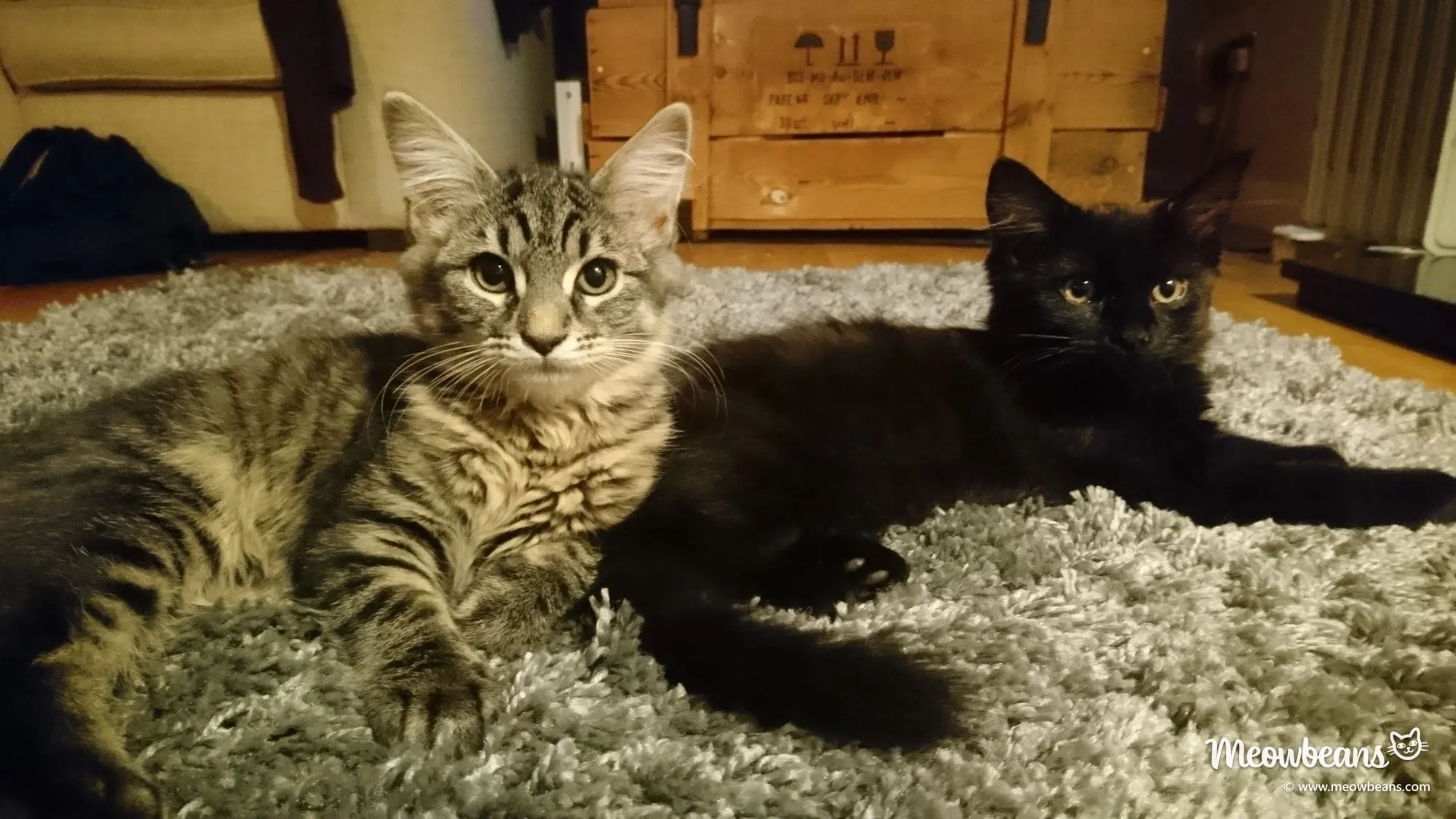
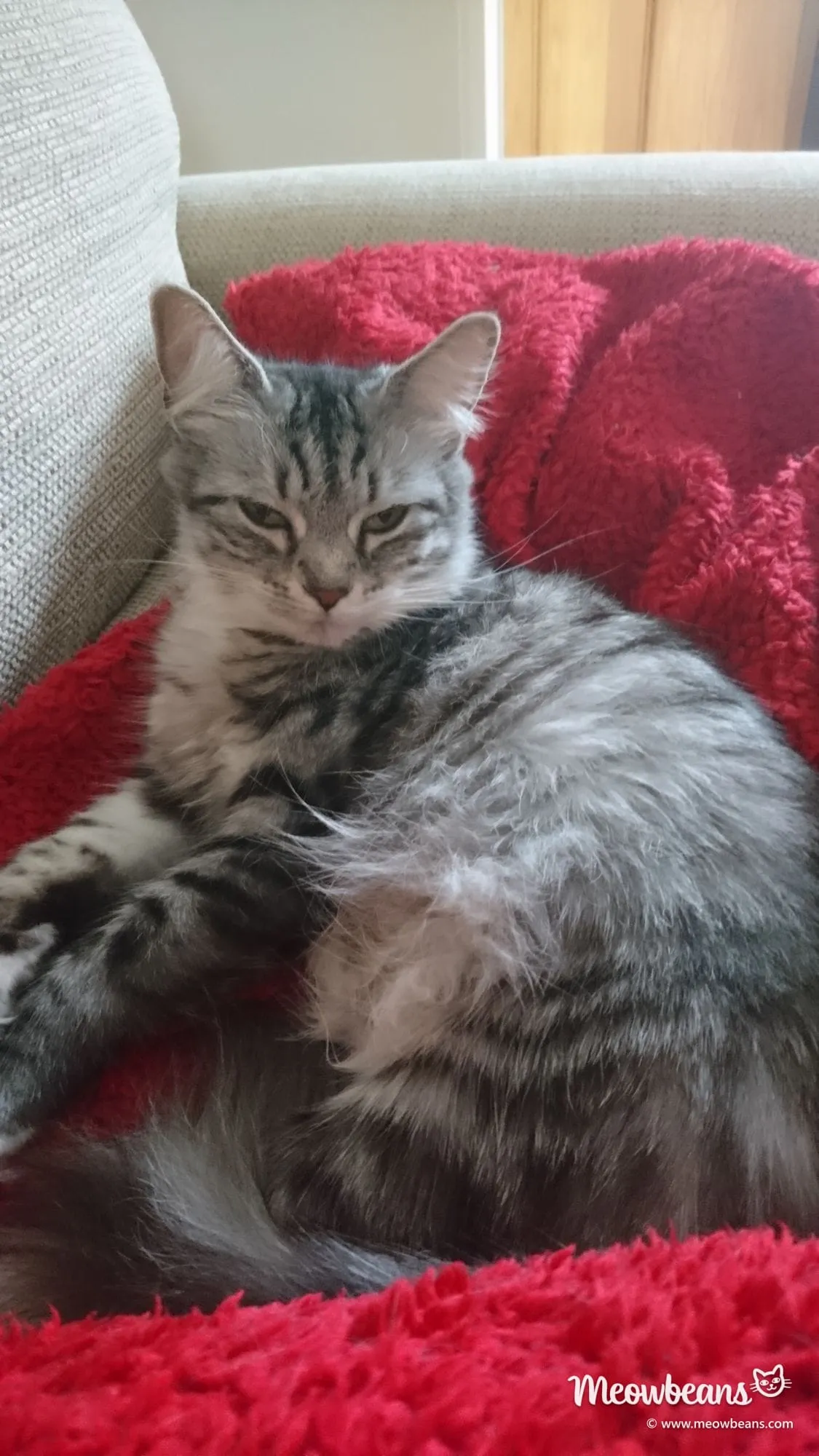 Bean, our silver tabby Maine Coon and the mother of Marshall.
From a breeder
A responsible breeder is the most reliable way to get a pedigree Maine Coon kitten. The GCCF’s Maine Coon page links to a map of breeders, and breed clubs can also point you to breeders with kittens. Good breeders often have waiting lists, so be wary of anyone who always has kittens available.
From a rehoming centre
Maine Coons and Maine Coon crosses do turn up at rehoming centres, often as adult cats whose owners could no longer keep them. Charities such as Cats Protection list cats looking for homes, and an adult cat’s size and personality are already known, which isn’t true of a kitten.
Not from a pet shop or a third party
In England, Lucy’s Law means that kittens under six months old can only be sold by the breeder or by a rehoming centre (GOV.UK). A pet shop or dealer can’t legally sell you a young kitten it didn’t breed.
Be careful with online adverts
Many genuine breeders advertise online, but so do scammers and people breeding without care. Never pay a deposit for a kitten you haven’t seen, and walk away if the seller won’t let you visit or meet the mother.
What to Check When You Visit
The GCCF gives this advice for visiting a breeder (GCCF):
- Make an appointment, and if you’re visiting more than one breeder, wash and change your clothes in between so you don’t carry infections from one cattery to another.
- Ask to see where the kittens are kept, and to see their mother.
- Look for signs of illness, such as diarrhoea, sticky eyes or a stuffy nose.
- Don’t choose a sickly or lethargic kitten out of pity.
- Check that everything is included in the price, with no hidden extras.
- Avoid buying a kitten on “breeding terms”, an arrangement where the breeder keeps a say in future litters. The GCCF warns it’s likely to lead to disagreements later on.
- Never take a cat home from a cat show, because of the risk of infection.
If the breeder holds a kitten for you after it’s ready to leave, you may be asked for a non-returnable deposit.
Health testing
Maine Coons can inherit some health problems, including hypertrophic cardiomyopathy (HCM), a heart condition. There’s a DNA test for the HCM gene, and breeding cats can also have their hearts scanned by ultrasound. There’s no simple gene test for hip dysplasia, but breeding cats can have their hips X-rayed before they’re bred from (GCCF).
Ask the breeder which tests the parents have had, and ask to see the results. Our guide to Maine Coon health issues explains these conditions in more detail.
What You Should Get With Your Kitten
The right age
Kittens should be at least 13 weeks old before they leave the breeder. They’re usually vaccinated at 9 and 12 weeks, and shouldn’t leave until at least seven days after their full course of vaccinations (GCCF).
The paperwork
From a GCCF-registered breeder, you should receive (GCCF):
- a pedigree certificate, signed by the breeder, showing at least three generations
- the kitten’s registration document, showing its pedigree name, so you can transfer it into your ownership
- a vaccination card showing the full course of vaccinations
The GCCF adds that in most cases your kitten will also come with 4 to 5 weeks of insurance cover. Arrange your own policy before it runs out: Maine Coons can inherit conditions such as HCM, and a policy taken out early is more likely to cover problems that appear later.
A microchip
Since 10 June 2024, owners in England must have their cat microchipped before it reaches 20 weeks old, with their contact details stored and kept up to date on an approved database. Owners who don’t comply can be fined up to £500 (GOV.UK). Ask whether the breeder has had the kitten microchipped, and make sure the registration is transferred into your name.
Is a Maine Coon Right for You?
Before you buy, make sure the breed suits your home. Maine Coons are large, sociable cats that need room to play, something sturdy to climb, and regular grooming. Read our complete guide to Maine Coons, and our guides to their temperament, size and weight and grooming, to see what life with one is like.
Sources
Sources checked in October 2026. Prices come from adverts on one website on one date, so they’re a rough guide only.
- Governing Council of the Cat Fancy (GCCF): Choosing a kitten and Maine Coon
- GOV.UK: Cat microchipping now mandatory and Lucy’s Law
- Pets4Homes: Maine Coon cats and kittens for sale (adverts viewed October 2026)
- Cats Protection: Adopt a cat